W20 South Africa Report 2025
HKSWAN analysis captures the W20's journey during a complex decade.
Can civil society influence policymaking?
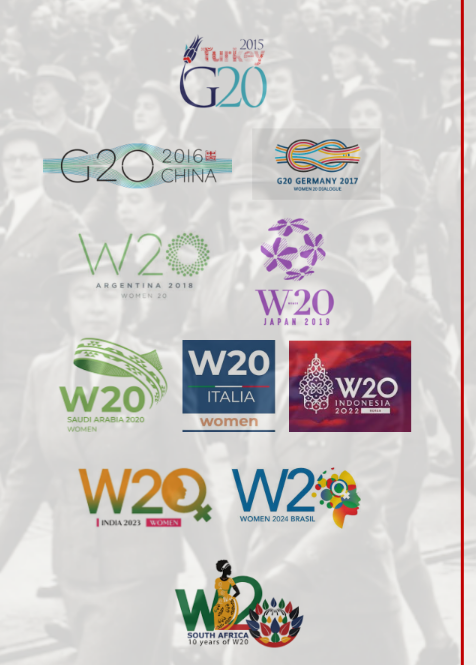
2025 marked ten years since the inception of the G20's Women20 (W20) in Istanbul, Turkey in 2015. The W20 is one of the official engagement groups of the G20 led by members of civil society from all 20 countries advocating for gender equity.
Each year since 2015, the group has gathered on the sidelines of the G20 meetings to work together and draft policy recommendations for global leaders to hopefully adopt into their final declarations, with the ultimate goal of transforming these into actual policies on the ground.
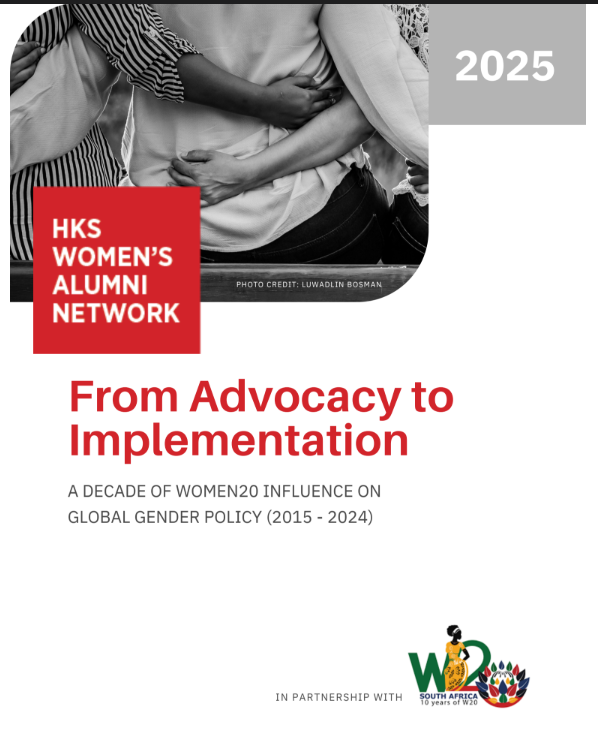
Following an in-depth analysis commissioned by South Africa’s W20 leadership and based on World Bank data, the Harvard Kennedy School Women’s Alumni Network (HKSWAN) was invited to serve as a knowledge partner to the W20 in 2025.
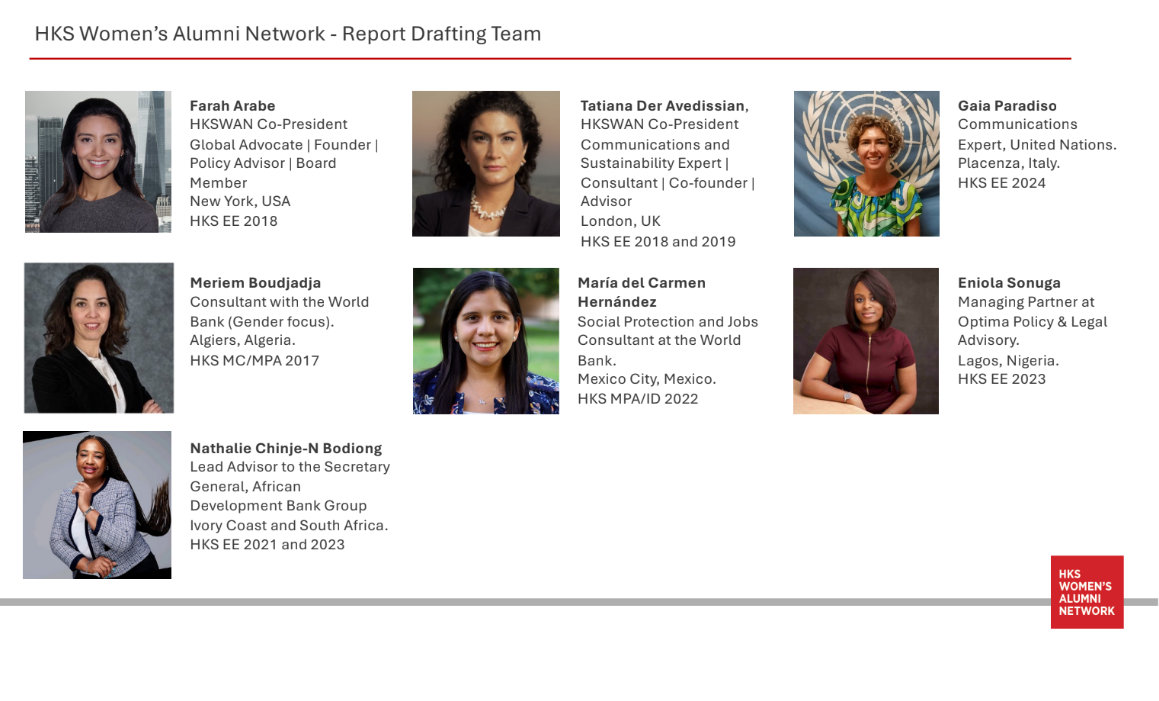
We extend our sincere appreciation to the dedicated report drafting team for their outstanding work and commitment in shaping this effort:
Farah Arabe, Tatiana Der Avedissian,
Meriem Boudjadja,
Gaia Paradiso,
Maria del Carmen Hernández,
Eniola Sonuga,
Nathalie Chinje- N Bodiong.
Key findings:
In the last decade 220 recommendations were submitted to the G20 leaders for their consideration. 74 of those or 33.6% were adopted into their leaders' commitments document.
The good news:
The number of gender-related commitments by G20 leaders has increased tenfold, from just five in 2016 to substantially higher levels in recent years. Gender equality is being taken more seriously as a core policy issue
Where has the W20 succeeded?
Parenthood policies stand out: ten countries implemented 15 reforms, including paid parental leave. This shows a clear translation from commitment to action.
Where has it failed?
Assets. Zero reforms. This category, encompassing gender equality in property and asset ownership, fundamental to women’s economic independence, represents the largest implementation gap.
The takeaway is stark:
We are failing to address complex structural barriers related to women’s ownership and control of capital. Incremental reforms like parental leave prove politically feasible; fundamental economic restructuring for asset equality does not.
The concerning news:
Not all commitments are created equal. HKSWAN’s analysis identified specific action-oriented language—“we commit to,” “we will,” “we endorse”—to distinguish substantive pledges from vague references.
The data reveals a critical temporal pattern. Until 2020, the W20 experienced a “golden era”: not only did commitment numbers rise, but the proportion of high-quality Level commitments also increased, peaking at 80%.
Post-2020, however, that quality declined sharply. While gender remains on the G20 agenda, the ambition and concrete nature of promises have waned.
HKSWAN’s evaluation concludes with 10 concrete recommendations. Review the report here.
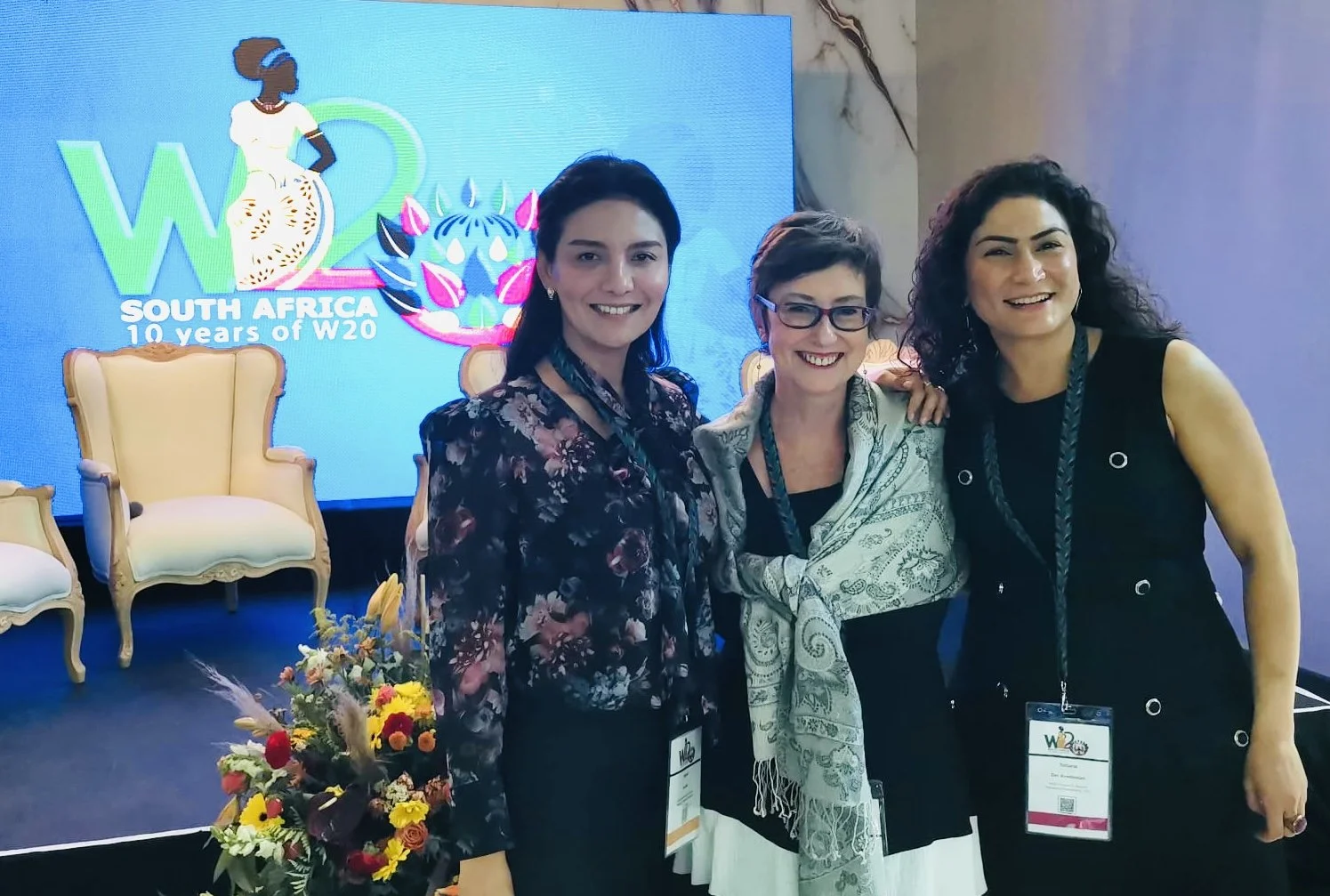
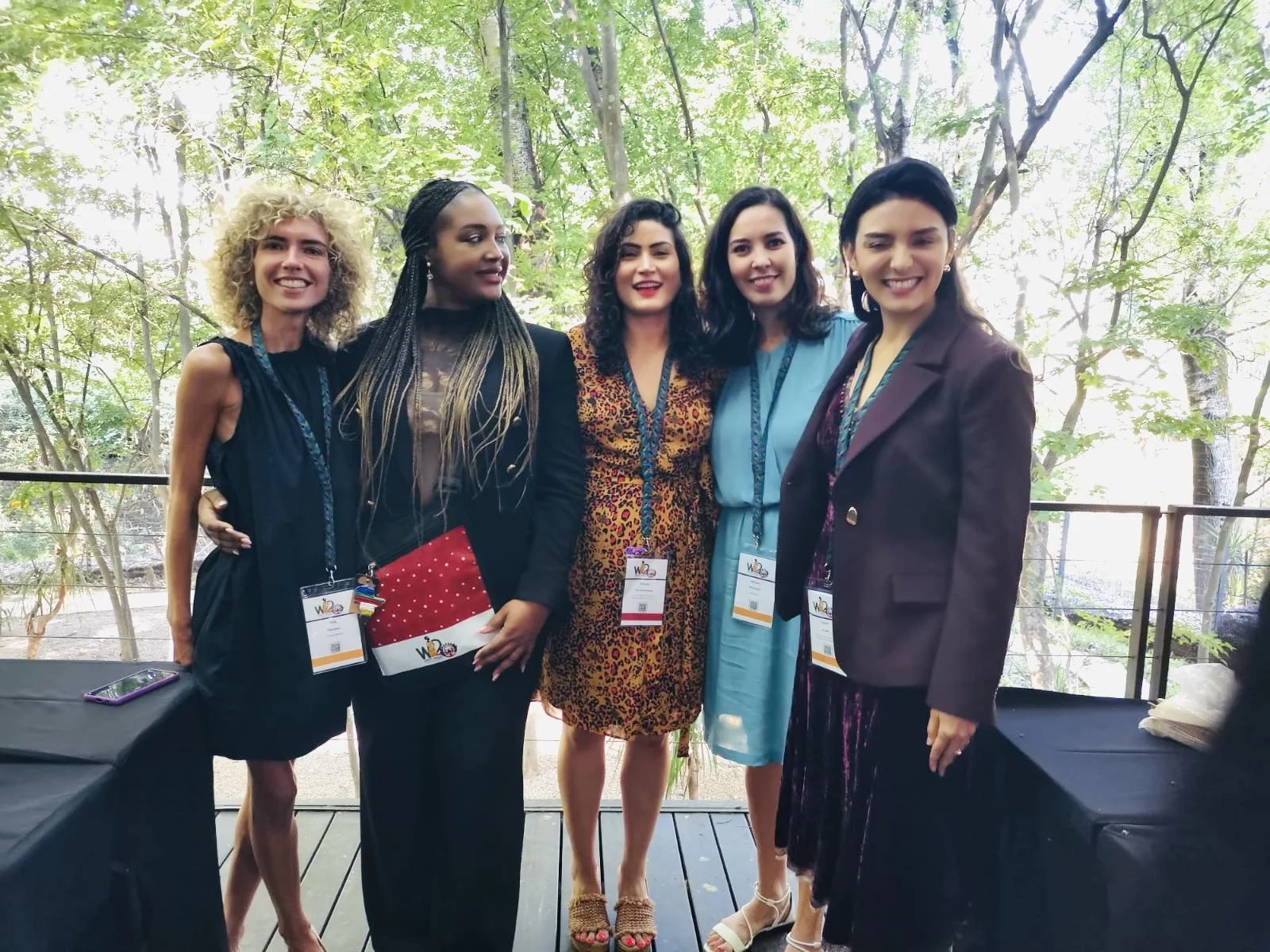
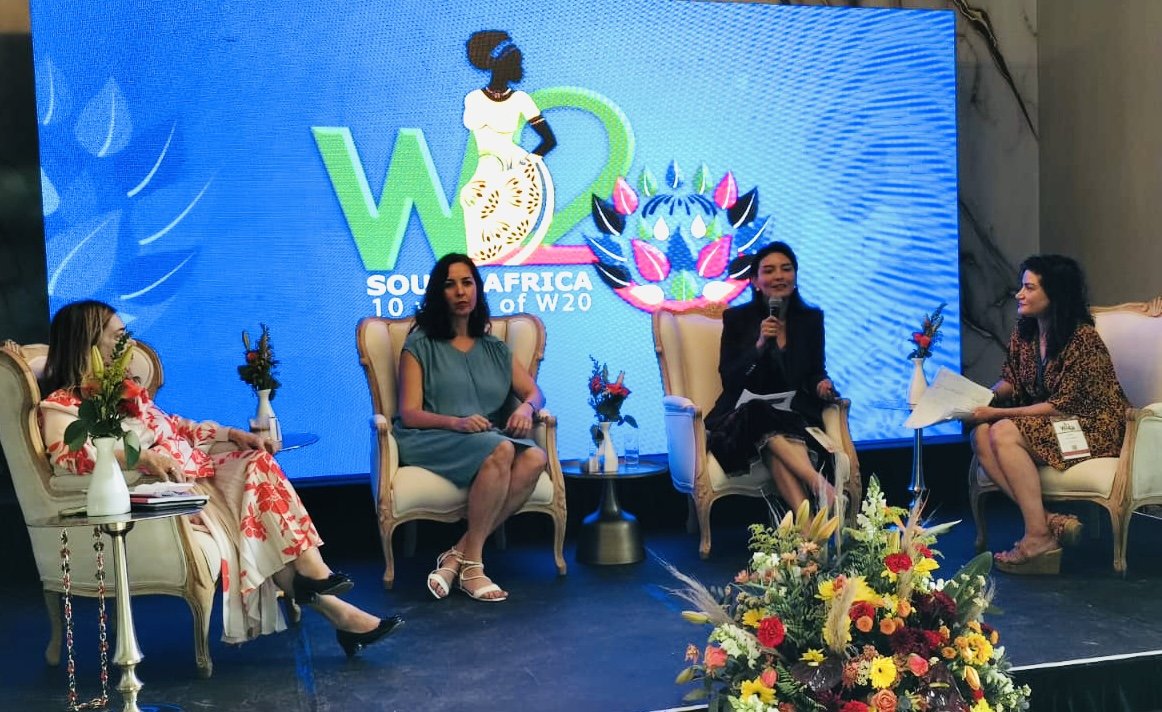
HKSWAN at the W20 South Africa Summit
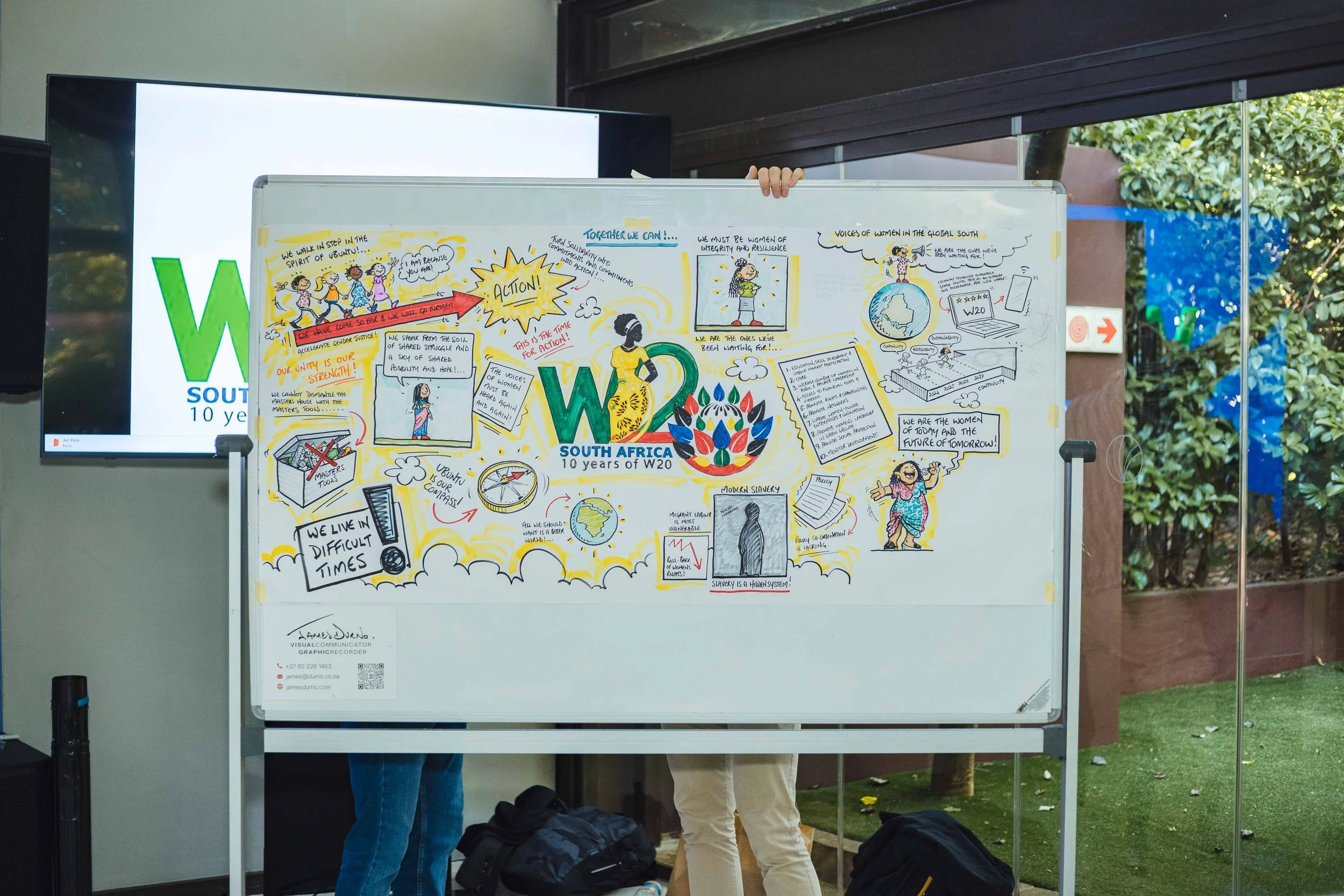
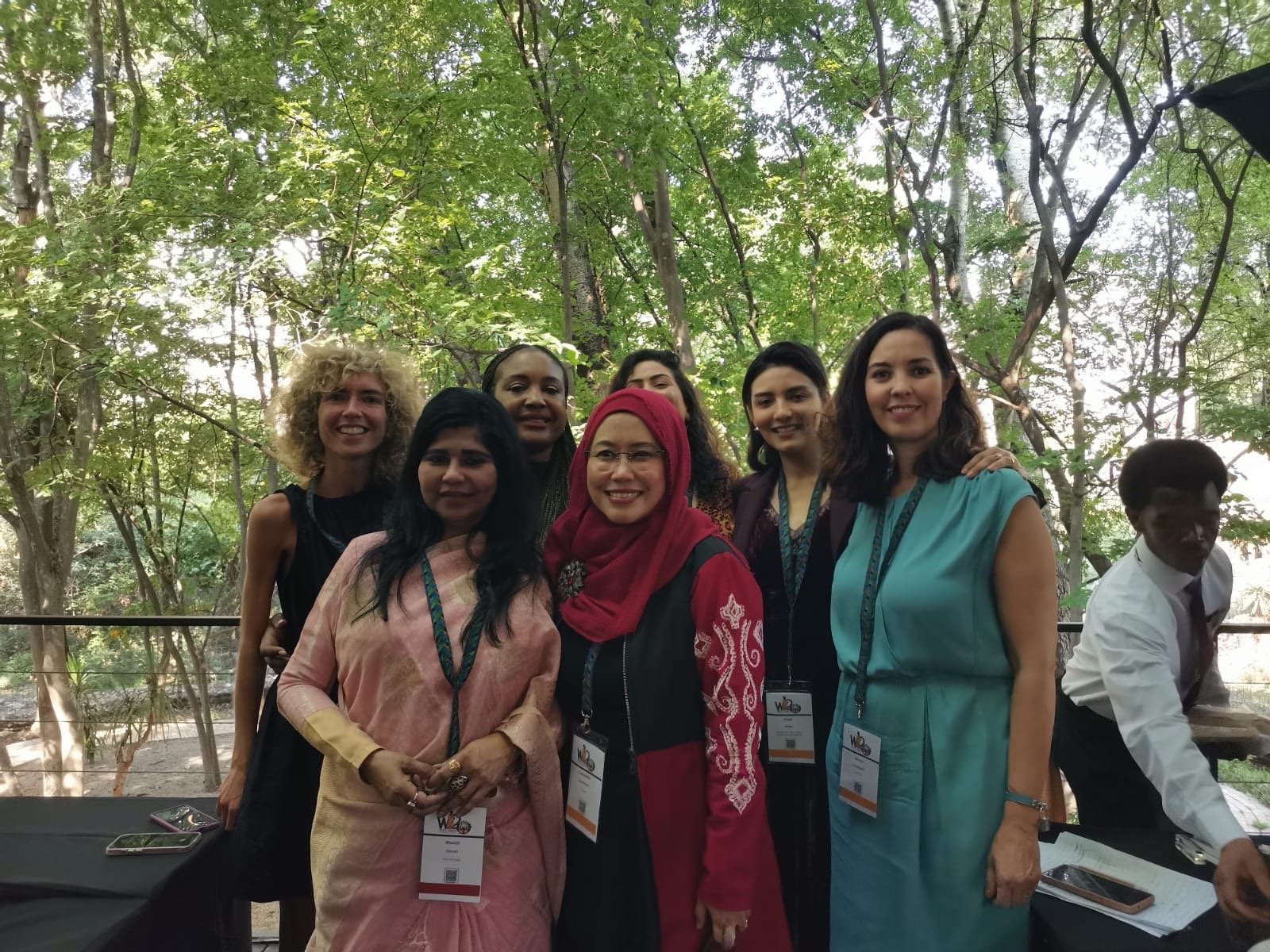
To address these challenges, women leaders from diverse backgrounds worldwide converged in Johannesburg for the Women20 South Africa (W20SA) Summit from 12 to 14 October 2025.
Click here for more information about the W20SA Summit.
Thematic areas
Financial inclusion and the care economy
Gender-based violence and femicide
Climate justice and the environment
Women; science, technology, engineering and mathematics; and the digital divide
Health equity for women and girls
Women, land and agriculture
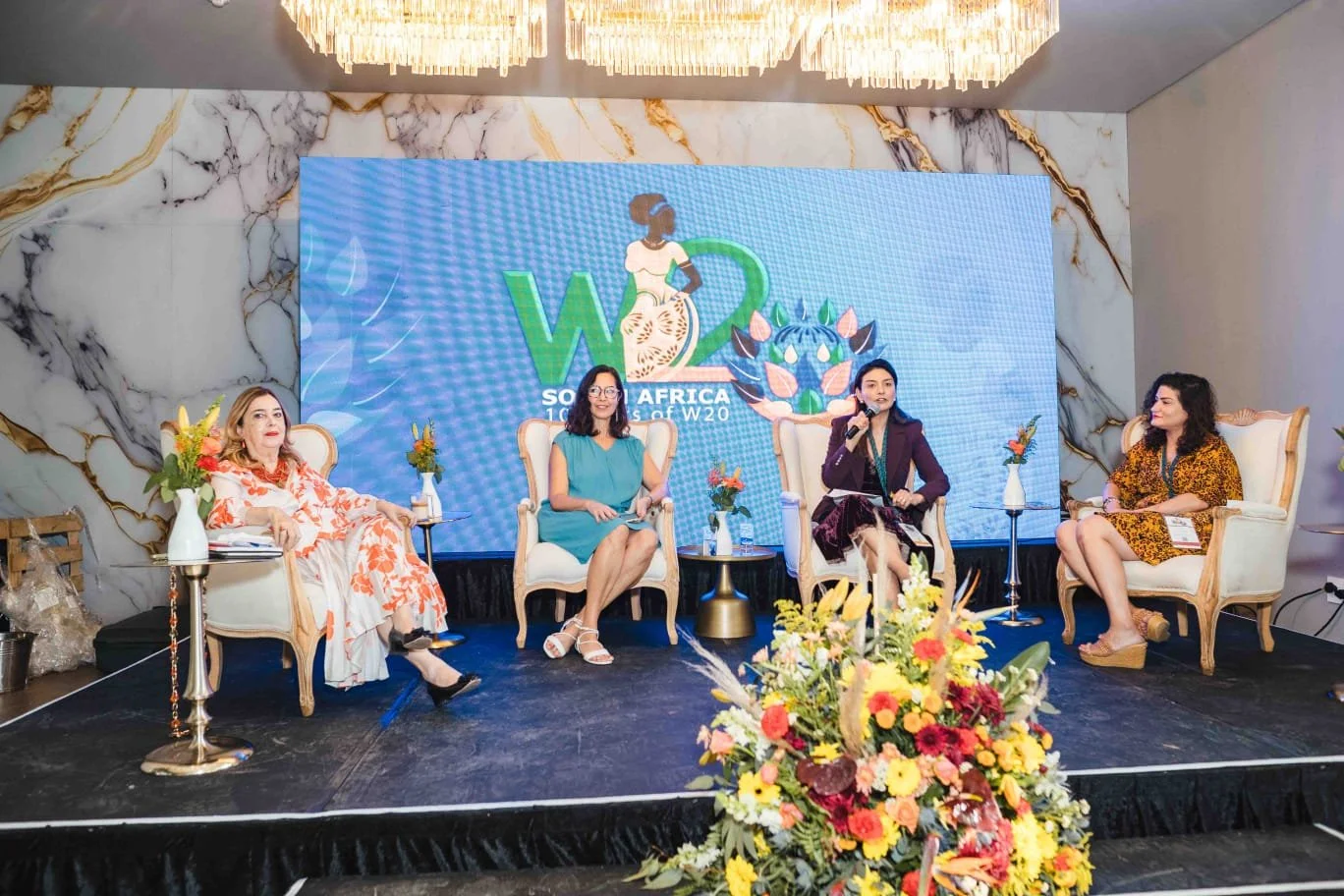
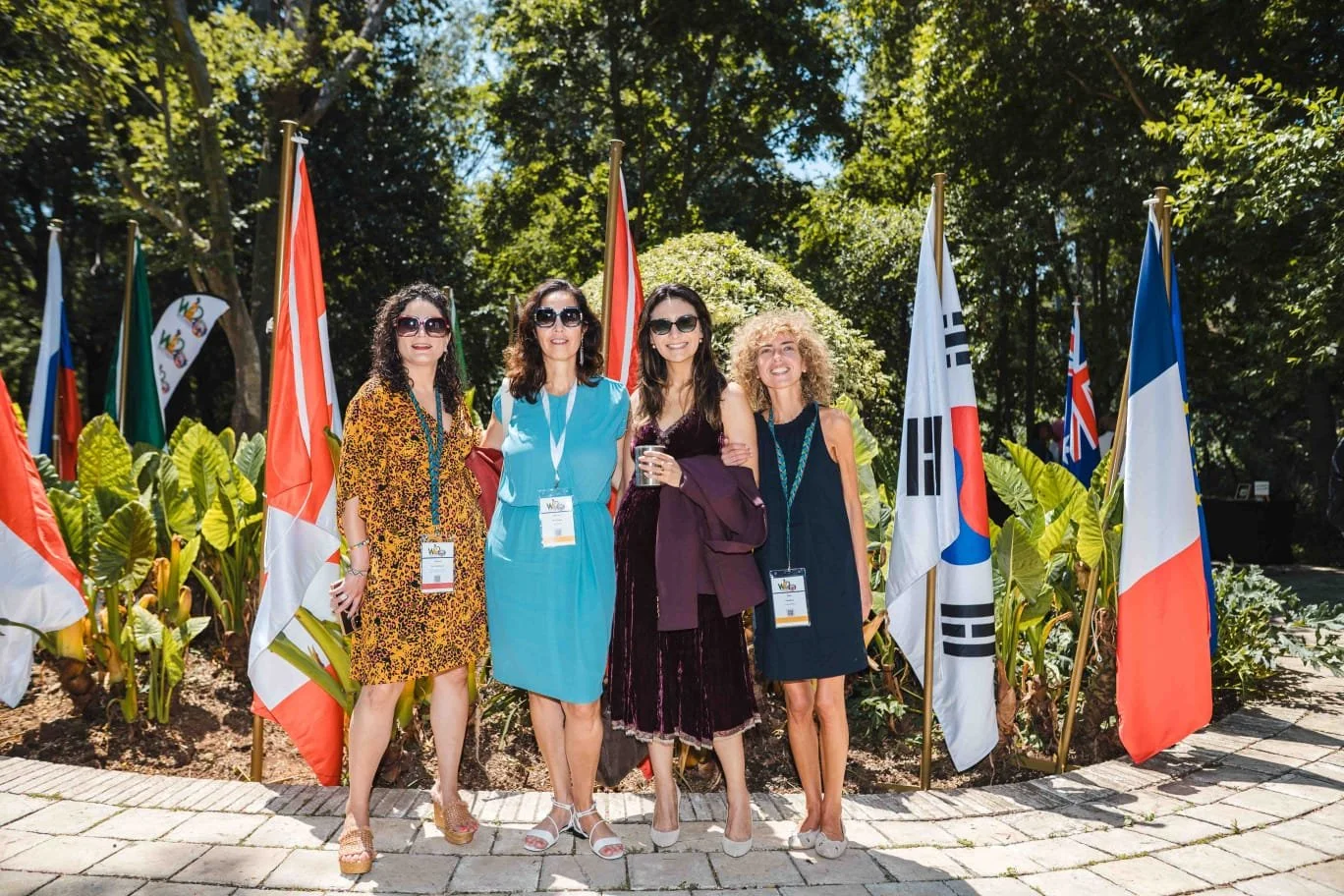
Our HKSWAN drafting team attended the W20SA summit and presented the key findings of the report: